
Need a new gas line for an appliance, remodel, or home upgrade? Pacific Blue Mechanical provides professional gas line installation in Seattle for residential properties, with careful planning, proper gas pipe sizing, and workmanship focused on safety and long-term reliability.
Our licensed and insured team installs and modifies residential gas piping for gas ranges and cooktops, fireplaces, dryers, water heaters, boilers, furnaces, outdoor appliances, and other compatible gas-fired equipment.
Gas piping is not a place for shortcuts. The line must be properly sized for the connected appliance load, routed appropriately, connected correctly, and tested before being placed into service.
Whether you’re adding one appliance or modifying an existing residential gas piping system, we’ll evaluate the project and explain what the installation requires before work begins.
Need Gas Line Installation in Seattle? Call Pacific Blue Mechanical at (425) 543-2852 to schedule an estimate.
Need a plumber in Seattle? Get fast, reliable help from our licensed plumbing team.
Safe, Same-Day Service

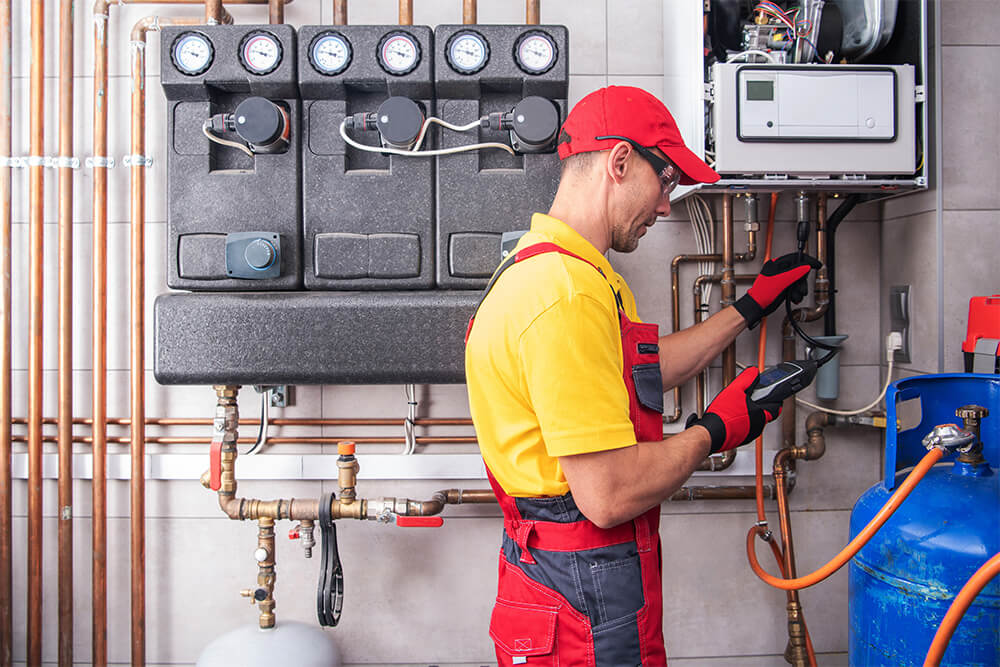
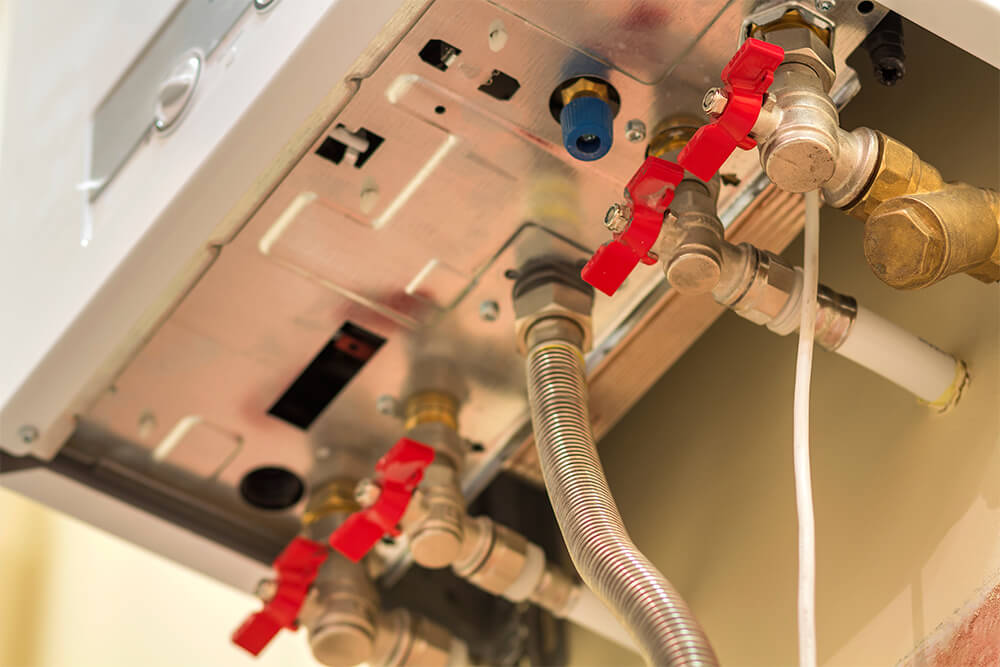


Need a licensed gas fitter in Seattle? Pacific Blue Mechanical offers gas line installation, gas leak repair, BBQ hookups & emergency gas services. Same-day service available.
Adding a gas appliance isn’t simply a matter of running pipe from the nearest available connection.
The existing gas piping system needs to be evaluated to determine whether it can support the additional appliance load. Seattle’s residential fuel-gas requirements specifically address modifications to existing systems and require existing piping capacity to be checked when additional appliances are added.
Pacific Blue Mechanical provides residential gas piping installation for a range of projects, including:
Gas Range & Cooktop Lines
Installing or extending gas piping when adding or relocating a natural gas cooking appliance.
Gas Fireplace Lines
New gas supply piping for compatible fireplaces and fireplace upgrades.
Gas Dryer Lines
Gas piping for residential dryers where the home and appliance are properly configured for gas service.
Gas Water Heater Lines
Gas piping associated with compatible residential water heater installations and replacements.
Gas Boiler & Furnace Lines
Properly sized fuel-gas piping for applicable residential heating equipment.
Outdoor Gas Lines
Depending on the project and applicable requirements, gas piping can also serve compatible outdoor appliances.
We can also evaluate existing gas piping when remodeling a home, relocating equipment, or replacing an appliance with equipment that has different gas-supply requirements.
Gas line work requires more than general plumbing experience. Fuel-gas piping must be planned and installed correctly because mistakes can create serious safety hazards.
Pacific Blue Mechanical provides professional residential gas line installation with an emphasis on proper sizing, routing, connections, testing, and applicable code requirements.
Seattle specifically licenses gas piping mechanics for work involving gas piping from the meter to the appliance or point of use. Our approach is to treat every gas piping project as safety-critical work—not as an ordinary pipe extension.
Before installation, we evaluate what appliance will be connected, where it will be located, and how the new piping relates to the existing gas system.
We also believe in clear recommendations. If the existing piping does not have adequate capacity for the proposed appliance, we’ll explain what needs to change rather than connecting additional demand to an undersized system.
For Seattle homeowners, that means a cleaner process and greater confidence in the completed installation.
Call (425) 543-2852 to discuss your residential gas line project.
There are several situations where homeowners may need new or modified gas piping.
You’re Adding a Gas Appliance
Installing a gas range, dryer, fireplace, water heater, boiler, furnace, or another compatible appliance may require a new branch gas line.
The existing system should be evaluated before the appliance is connected because additional demand can affect required pipe sizing and capacity.
You’re Converting an Appliance to Gas
If you’re replacing an electric appliance with a gas model, the project may require new fuel piping to reach the appliance location.
This is common when homeowners change cooking equipment, dryers, water heaters, or other household systems.
You’re Remodeling Your Home
Kitchen renovations, utility-room changes, additions, and other remodeling projects can require gas appliances to be relocated.
Moving the appliance often means the gas piping must also be rerouted or extended.
Your Existing Gas Line Is Improperly Sized
Changing equipment can alter the fuel demand placed on the piping system. An existing line that worked for the previous appliance isn’t automatically appropriate for new equipment.
Existing Gas Piping Is Being Modified
Changes to the layout or condition of the existing gas piping may require portions of the system to be altered, replaced, or reconfigured.
Whatever the reason for the project, the safest starting point is a professional evaluation of the existing system and proposed appliance requirements.
One of the most common reasons Seattle homeowners request gas line installation is to add or relocate an appliance.
The installation requirements vary considerably depending on what you’re connecting.
A gas cooktop in a kitchen remodel may require a relatively short branch line, while relocating heating equipment or adding another high-demand appliance can require a more extensive evaluation of the existing system.
Pacific Blue Mechanical can assess gas piping requirements for compatible:
We don’t assume an existing line has sufficient capacity simply because a connection point is nearby. The entire relevant piping configuration and connected load need to be considered.
That approach helps ensure the new appliance receives an appropriate gas supply without compromising the existing system.
Not every project starts with completely new gas piping.
Older homes may have existing lines that need to be modified as appliances are relocated or replaced. Other projects involve extending an existing system to a new location.
Pacific Blue Mechanical evaluates the existing gas piping before determining the appropriate approach.
If an existing section needs replacement or the piping configuration needs to change, we’ll explain the scope of work before proceeding.
The objective is not simply to create a connection at the appliance. It’s to provide a properly configured gas supply path appropriate for the equipment being served.
Some residential gas piping projects are planned weeks in advance. Others become urgent when an appliance installation or replacement cannot move forward because the existing gas connection is inadequate or incorrectly located.
Pacific Blue Mechanical offers responsive scheduling and same-day gas line service when technician availability and the scope of work allow.
For planned installations, contacting us before the new appliance arrives can make the project easier. We can evaluate the proposed appliance location, existing piping, and installation requirements ahead of time.
If your concern involves a suspected gas leak rather than a planned installation, treat the situation differently. Leave the affected area if necessary, avoid actions that could create an ignition source, and contact the appropriate emergency or gas utility service from a safe location.
Need a new gas line or appliance connection? Call Pacific Blue Mechanical at (425) 543-2852.
1. Evaluate the Project
We start by determining what appliance or equipment will be served, where it will be located, and how the proposed installation relates to your existing gas piping.
For additions to an existing system, available capacity is an important consideration.
2. Plan the Gas Piping Route
Our technician determines an appropriate route based on the home’s layout, appliance location, existing piping, accessibility, and applicable installation requirements.
Seattle residential requirements regulate fuel-gas piping installation, including permitted materials and installation methods.
3. Review the Scope
We explain the proposed installation and what work is required before proceeding.
If existing piping needs modification or additional work is required to accommodate the new appliance, we’ll discuss that as part of the project.
4. Install the Gas Line
The gas piping is installed using appropriate materials, fittings, supports, and installation practices for the application.
5. Test the Installation
Testing is an essential part of gas piping work. The system must be checked appropriately before being placed into service.
Where permits or inspections apply to the project, the work must also follow the applicable local process. Seattle notes that gas piping permits are issued through Public Health – Seattle & King County, while residential fuel-gas requirements are addressed through the Seattle Residential Code.
The cost of gas line installation in Seattle depends on the specific property and project.
One of the biggest factors is the distance between the existing gas supply and the new appliance location. A short, accessible branch line will generally involve a different scope of work from piping that needs to travel through multiple areas of a home.
Pipe size also matters. Gas piping must be capable of supplying the connected equipment, so the requirements can change depending on appliance demand, piping length, and other connected appliances.
Additional cost factors can include accessibility, routing complexity, pipe material, modifications to existing piping, appliance location, required system changes, and applicable permit or inspection requirements.
For example, installing a gas line for a nearby range may be considerably different from adding a high-demand appliance when the existing piping system doesn’t have enough capacity.
That’s why generic per-foot gas line prices can be misleading.
Pacific Blue Mechanical evaluates the project first and determines what the installation actually requires before providing recommendations.
If you’re planning a remodel or buying a new gas appliance, contacting us before finalizing the appliance location can also help identify potential gas piping requirements early in the project.
Gas line installation should be handled by appropriately qualified professionals.
Seattle’s current residential code includes specific fuel-gas provisions covering the design, installation, modification, and maintenance of residential gas piping systems. Seattle also maintains licensing requirements for gas piping mechanics.
These requirements are one reason professional installation matters.
Correct gas piping involves more than preventing visible leaks. Pipe sizing, approved materials, routing, connections, protection, equipment requirements, and testing can all affect the safety and performance of the completed system.
Pacific Blue Mechanical approaches residential gas piping with those considerations in mind from the initial evaluation through final testing.
Adding a gas range, dryer, fireplace, water heater, boiler, furnace, or another gas appliance? Make sure the fuel supply is properly planned and professionally installed.
Pacific Blue Mechanical provides residential gas line installation in Seattle, including new gas piping, appliance lines, gas line extensions, modifications, and replacement of applicable existing piping.
Our licensed and insured team evaluates the existing system, appliance requirements, piping route, and required capacity before installation. Same-day appointments may be available for qualifying projects when scheduling and project requirements allow.
Call Pacific Blue Mechanical at (425) 543-2852 today to schedule your Gas Line Installation in Seattle.
We start by understanding your needs. Our team evaluates your space, system, and expectations to determine the most effective solution.
You receive a transparent, customized quote outlining the scope of work, timeline, and cost — no hidden fees, no surprises.
Our licensed professionals complete the job efficiently, safely, and to the highest industry standards.
Before completion, we perform a thorough final check. We remain available for maintenance, service, and long-term support.
Do I need a licensed professional to install a gas line in Seattle?
Gas piping is regulated work, and Seattle maintains specific gas piping mechanic licensing requirements for installing gas piping from the meter to the appliance or point of use. Using appropriately qualified professionals helps ensure the work follows applicable safety and code requirements.
Do I need a permit for residential gas line installation in Seattle?
Permit requirements depend on the scope and type of project. Seattle states that gas piping permits are issued by Public Health – Seattle & King County, while fuel-gas requirements for qualifying residential buildings are addressed by the Seattle Residential Code. The requirements for your specific project should be confirmed before work begins.
Can you install a gas line for a new range or cooktop?
Yes. We provide residential gas piping for compatible gas ranges and cooktops, including new installations and appliance relocations. The existing gas system should be evaluated to confirm adequate capacity for the additional appliance.
Can you install a gas line for a dryer?
Yes. Pacific Blue Mechanical can install gas piping for compatible residential gas dryers when the home’s gas system and installation conditions are suitable.
Can you run a gas line for a fireplace?
Yes. We provide gas piping for compatible residential gas fireplaces. The exact installation depends on the fireplace, location, existing gas piping, and project requirements.
How much does gas line installation cost in Seattle?
Cost depends on pipe length and size, appliance demand, accessibility, routing, existing gas-system capacity, required modifications, materials, labor, and any applicable permit or inspection requirements. An on-site evaluation provides a more useful estimate than a generic per-foot price.
Can an existing gas line be extended for another appliance?
Sometimes. Before adding an appliance, the existing piping must be evaluated to determine whether it has adequate capacity for the additional demand. If it does not, part of the system may need to be enlarged or a different piping solution may be required.
Can you replace an old gas line?
Yes. Depending on the condition, configuration, and accessibility of the existing piping, sections of residential gas piping can be replaced or reconfigured. We inspect the system before recommending the appropriate scope of work.
How long does residential gas line installation take?
Installation time depends on the distance, routing, accessibility, pipe sizing, existing system, and scope of work. A straightforward appliance branch line may require much less work than a larger modification involving multiple areas of the home.
What should I do if I suspect a gas leak?
A suspected gas leak should be treated as a safety issue rather than a routine installation appointment. Move to a safe location, avoid flames, switches, or other potential ignition sources, and contact the appropriate emergency service or gas utility for immediate guidance.
See what our satisfied customers have to say about Pacific Blue Mechanical’s professional gas line installation & repair services in Seattle, WA. Read reviews and testimonials from our happy clients!
EXCELLENT Based on 2 reviews
 Posted on Google
 Ali OzdemirPacific Blue Mechanical did an excellent job replacing our toilet. They were quick, professional, clean, and made the whole process completely hassle-free. I personally highly recommend them and wouldn’t hesitate to call them again for any plumbing needs. Great service from start to finish!Posted on Google
 Techatami ADsGreat tech and good communication from the office. Had them replace our hot water tank and they were very affordable
Have a plumbing issue or need a quote? Our team is ready to help. Call us directly for fast service or fill out the form and we’ll get back to you as soon as possible.
info@pacificbluemechanical.com
7:00 AM–11:00 PM
Copyright © 2026 Pacific Blue Mechanical Seattle - Licensed, Bonded, and Insured